Fruit or vegetable?
Cooks sort food by how it tastes and how it's used. Botanists sort it by which part of the plant it comes from. Most of the time the two agree, and this game is about the times they don't: the tomato that's a fruit, the strawberry that isn't a berry, the peanut that isn't a nut.
When the two disagree, the answer here follows the botany. The explanation after each round says why.
How to play
Each round shows a picture or a question, and you have 12 seconds to pick an answer. A game is 5 rounds. A fast right answer is worth up to 1000 points, a slow one half that, and every right answer in a row after the first adds a 100 point bonus. On a computer you can answer with the 1 to 4 keys.
There are 27 questions in this game and each play picks 5 of them, so you won't get the same ones again for a while.
Speed mode: same questions, 8 seconds each instead of 12.
All the answersSpoilers: all 27 questions with the answer and the reason behind it.
Botanically speaking, a tomato is a...
Answer: Fruit
It grows from the flower and carries the seeds, so it is a fruit (a berry, even). Cooks call it a vegetable, and in 1893 the US Supreme Court agreed with the cooks for tax purposes.
Is a strawberry a true berry?
Answer: No
A true berry grows from one flower with one ovary and has its seeds inside. The strawberry's 'seeds' on the outside are each a tiny fruit of their own; the red part is swollen flower tissue.

Botanically speaking, a banana is a...
Answer: Berry
It grows from a single flower with one ovary and the seeds sit inside the flesh, which is the botanical definition of a berry. Same for grapes and, yes, tomatoes.
A peanut is a...
Answer: Legume
Peanuts grow in pods underground and belong to the same family as peas and beans. They are not true nuts, whatever the name says.

By the cube rule of food, a hot dog is a...
Answer: Taco
The cube rule classifies food by where the starch is. Starch on the bottom and two sides, open on top: that's a taco. A sandwich needs starch on top and bottom only.
Ketchup counts as a vegetable serving in US school lunches. True?
Answer: False
The 1981 proposal to count ketchup and relish as vegetables was withdrawn after public outcry. Tomato paste on pizza, however, still counts today.
Bananas are slightly radioactive. True?
Answer: True
Bananas are rich in potassium, and a tiny fraction of natural potassium is the radioactive isotope K-40. The dose is harmless; you would need to eat millions at once to notice.

Botanically, a single grain of wheat is a...
Answer: Fruit
Wheat, rice, oats and corn kernels are all a kind of dry fruit called a caryopsis. The fruit wall is so thin it fuses with the seed inside, so it looks like a seed, but it is the whole fruit.
Tomatoes and potatoes belong to the same plant family. True?
Answer: True
Both are nightshades (Solanaceae), along with peppers and aubergines. The leaves of a tomato plant and a potato plant look so alike that gardeners mix them up.
Which part of the plant is a potato?
Answer: Stem
A potato is a tuber: a swollen underground stem that stores food. The 'eyes' are buds, which is why a potato left in the cupboard starts sprouting.

The sweet potato is a close relative of the potato. True?
Answer: False
The sweet potato belongs to the morning glory family, and the part you eat is a real root. The potato is a nightshade and the part you eat is a stem. Similar names, unrelated plants.
Botanically, an avocado is a...
Answer: Berry
It grows from a single flower and has fleshy walls around its seed, which makes it a large berry with one big seed. In the kitchen it ends up in salads, but in botany it is a fruit.
Botanically, a cucumber is a...
Answer: Fruit
It develops from the flower and holds the seeds, so it is a fruit. Pumpkins, courgettes and melons are in the same family, and all of them are fruits too.

Botanically, rhubarb is a...
Answer: Vegetable
The part you eat is the leaf stalk, which makes it a vegetable even though it mostly ends up in pies and jams. In 1947 a US customs court ruled it a fruit anyway, because that's how Americans used it. Don't eat the leaves: they are poisonous.
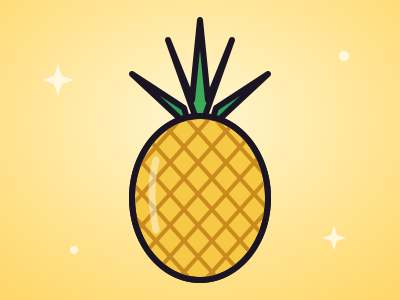
A pineapple is...
Answer: Many fruits stuck together
Each of the hexagons on the skin started as a separate flower. As they ripen, the fruits from all of those flowers fuse around the core into one pineapple.

An almond is a...
Answer: Seed
The almond tree is a close relative of the peach. Its fruit has a leathery, inedible flesh, and the almond is the seed inside the stone, just like the kernel inside a peach stone.

Where does a cashew grow?
Answer: On the end of a fruit
It hangs in a shell under a fleshy 'cashew apple'. The shell contains an oil that irritates the skin, which is why cashews are never sold in their shells like pistachios.
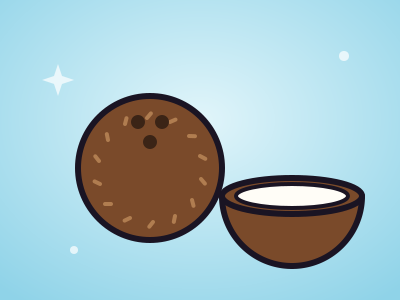
Botanically, a coconut is a...
Answer: Drupe
A drupe is a fruit with a hard stone around the seed, like a peach or a cherry. In a coconut the 'flesh' is the green fibrous husk, the hard brown shell is the stone, and the white part is inside the seed.
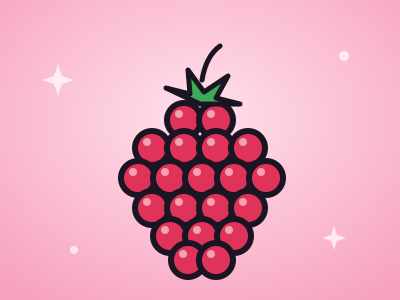
Each little bump on a raspberry is a...
Answer: Tiny separate fruit
A raspberry is a cluster of small fruits called drupelets, each with its own seed. That's why it comes off the plant hollow: the core stays behind.
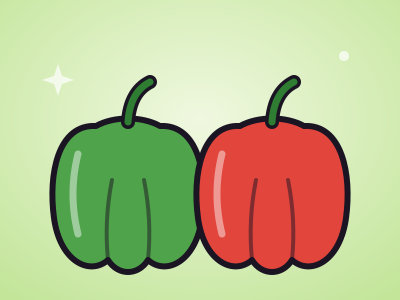
A green bell pepper is just an unripe red, yellow or orange one. True?
Answer: True
Most bell peppers start green and change colour as they ripen, getting sweeter on the way. Green ones are cheaper because they are picked sooner.

A mushroom is a...
Answer: Fungus
Mushrooms are not plants at all. What we eat is the part a fungus pushes up to spread its spores, while most of it lives underground as fine threads.

Vanilla comes from...
Answer: An orchid's seed pod
The pods of the vanilla orchid are picked green, then cured for months until they turn brown and develop their smell. Outside Mexico, where the plant comes from, each flower has to be pollinated by hand, which is why vanilla is so expensive.

A banana plant is a tree. True?
Answer: False
It's a giant herb. The 'trunk' is made of leaf stalks wrapped tightly around each other, with no wood in it. After it fruits once, that stem dies and a new one grows from the base.
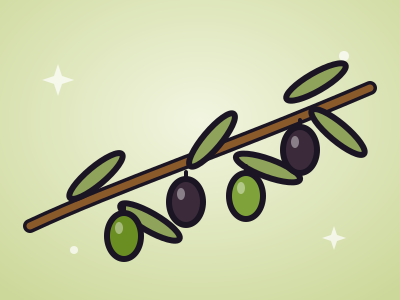
Botanically, an olive is a...
Answer: Drupe
Like cherries and plums, an olive is flesh around a hard stone. Straight off the tree it is too bitter to eat, so olives are cured in brine or lye first.
Most of the green 'wasabi' served outside Japan is mostly...
Answer: Horseradish
Real wasabi is hard to grow and loses its flavour within minutes of grating. Most tubes and packets are horseradish, mustard and green colouring.

The sauce ketchup is named after was made from...
Answer: Fish
The name comes from a fermented fish sauce from southern China. British cooks made their own versions with mushrooms and walnuts, and tomato ketchup only took over in the 1800s.
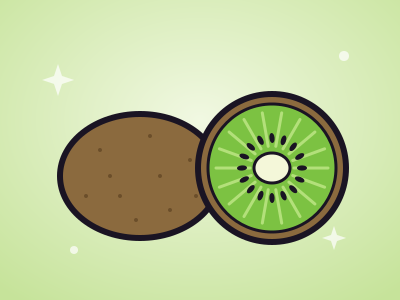
What was the kiwifruit called before it was renamed?
Answer: Chinese gooseberry
It comes from China, but New Zealand growers started exporting it in the 1950s and renamed it after their national bird, the kiwi.